
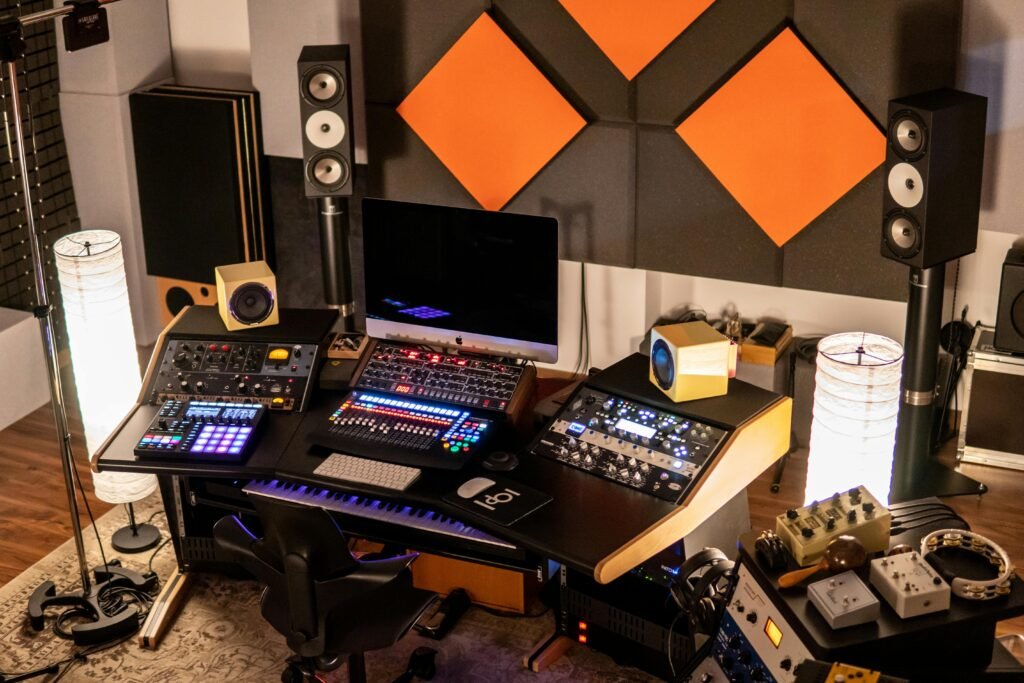
Home Music Studio: Why You Need One and How to Build It
Creating a home music studio is no longer just a dream for musicians, producers, or sound enthusiasts. With advances in technology and increasingly affordable, high-quality equipment, anyone with a passion for music can bring a studio to life in their own space. Whether you’re a budding musician, a podcaster, or a hobbyist sound designer, a well-equipped home studio can be your creative sanctuary, giving you full control over your projects. But how do you get started, and what are the true benefits of creating a home music studio? Let’s dive into why building a home studio could be one of the best investments you make in your creative life.
Why a Home Music Studio is Essential
1. Unmatched Creative Freedom
A home music studio gives you the freedom to explore your creativity without time constraints or interruptions. Traditional recording studios can be costly, with fees often calculated by the hour, making it challenging to immerse yourself in your work without worrying about time. With a home studio, the clock is in your hands. You can work whenever you feel inspired, even in the middle of the night, allowing for unrestricted creativity and experimentation.
2. Cost-Effective in the Long Run
Building a home music studio may require an initial investment, but it often saves significant money in the long term. Professional recording studios can charge hundreds of dollars per session, and expenses can quickly add up. By investing in a home setup, you can record, mix, and master your work without incurring repeated fees. Over time, your studio will pay for itself, especially if you’re consistently creating or recording music.
3. Complete Control Over Your Sound
Owning a home music studio gives you full control over every element of the recording and production process. You can experiment with different microphones, adjust acoustics to suit your preferences, and have a say in the equipment and software you use. This level of control allows you to refine your unique sound and ensure the finished product reflects your vision without compromise.
4. Increased Productivity and Consistency
When your workspace is just a room away, recording and producing music becomes more accessible and part of your routine. A home studio enables you to produce consistently without the hassle of booking studio time or commuting. This setup not only boosts productivity but also encourages regular practice, which can accelerate your progress and proficiency in music production.
Essential Equipment for Your Home Music Studio
Building a home music studio requires a balance between affordability and quality. Here’s a breakdown of the essentials for a well-rounded setup:
1. Digital Audio Workstation (DAW)
A Digital Audio Workstation (DAW) is the software that allows you to record, edit, and produce audio files. Some popular DAWs include Ableton Live, Logic Pro X, Pro Tools, and FL Studio. Each DAW has unique features and interfaces, so it’s important to choose one that aligns with your style and needs. Many DAWs also offer free trials, which can be useful for testing compatibility with your workflow.
2. Audio Interface
An audio interface is a key piece of equipment that converts analog signals (like your voice or instrument) into digital signals that your computer can process. High-quality audio interfaces, such as those from Focusrite, PreSonus, and Universal Audio, offer low-latency recording and multiple input options, making them suitable for a range of recording needs.
3. Microphones
The type of microphone you need depends on what you plan to record. For vocals, a large-diaphragm condenser microphone is often ideal due to its sensitivity and ability to capture clear, detailed sound. For instruments, especially louder sources like drums, consider dynamic microphones like the Shure SM57. For a versatile setup, having both types of microphones can ensure you’re covered for various recording scenarios.
4. Studio Monitors and Headphones
High-quality studio monitors are crucial for accurate sound mixing. Unlike standard speakers, studio monitors are designed to deliver flat, uncolored sound, allowing you to hear your music exactly as it is. Headphones are also essential, especially for late-night recording sessions or when you need to monitor detailed elements of your tracks. Closed-back headphones are ideal for recording as they minimize sound leakage, while open-back headphones can provide a more accurate listening experience for mixing and mastering.
5. MIDI Controller
A MIDI controller is a fantastic tool for music production, allowing you to input musical notes and manipulate sounds on your DAW. MIDI controllers can range from basic keyboards to more advanced devices with drum pads and customizable buttons, giving you creative flexibility in arranging and producing music.
6. Acoustic Treatment
Acoustic treatment, such as foam panels, bass traps, and diffusers, can significantly improve sound quality by reducing reflections and echoes in your room. Proper treatment ensures that what you hear is accurate and that your recordings are clear and professional. Acoustic panels can be placed strategically around your room to absorb excess sound, resulting in a more balanced audio environment.
Setting Up Your Home Music Studio: Step-by-Step Guide
1. Choose the Right Room
Selecting the right room is crucial. Ideally, choose a space that’s quiet and separate from high-traffic areas. Rooms with minimal windows and hard floors often work best, as they reduce sound interference and allow for easier acoustic treatment.
2. Optimize Your Space for Acoustics
Once you’ve selected a room, it’s time to optimize it acoustically. Start by placing acoustic panels on walls where sound reflections are strongest, typically behind your monitors and on the sidewalls. Adding a rug or carpet can help absorb sound, reducing echo.
3. Arrange Your Equipment for Workflow
Your home studio should be arranged for efficiency. Position your audio interface, MIDI controller, and DAW computer within easy reach, and ensure your monitors are placed at ear level. This layout helps you stay in a creative flow without unnecessary distractions.
4. Test Your Setup
Before diving into full-scale recording, run tests to make sure all equipment is functioning correctly. Record a few sample tracks, check for any sound inconsistencies, and adjust settings as needed. This step ensures that your studio operates smoothly and efficiently.
How to Maximize Productivity in Your Home Studio
1. Set Goals and Plan Your Sessions
Setting clear goals for each session can help you stay focused and make tangible progress. Whether you’re aiming to record a full song, work on mixing, or experiment with new sounds, having a plan allows you to make the most of your time.
2. Develop a Routine
Consistency is key when working in a creative field. By setting a dedicated time each day or week to work in your studio, you build a routine that helps you stay disciplined and productive.
3. Keep Your Workspace Organized
A clutter-free environment can enhance your creativity and efficiency. Regularly organize your cables, equipment, and files to maintain a workspace that’s ready for inspiration whenever it strikes.
Top Tips for Recording in Your Home Studio
- Record in a Quiet Environment: Reduce background noise by turning off fans, closing windows, and using acoustic treatments.
- Use Pop Filters for Vocals: A pop filter helps reduce unwanted noise from plosives, giving your vocals a cleaner, professional sound.
- Take Breaks: Working in a home studio can lead to long hours. Regular breaks are essential to avoid fatigue and keep your ears fresh.
- Experiment with Different Techniques: Don’t be afraid to try new recording techniques or settings to find what works best for your sound. Creative experimentation is one of the greatest benefits of having your own studio.
The Future of Your Home Music Studio
Home Music Studio: Why You Need One and How to Build It
Creating a home music studio is no longer just a dream for musicians, producers, or sound enthusiasts. With advances in technology and increasingly affordable, high-quality equipment, anyone with a passion for music can bring a studio to life in their own space. Whether you’re a budding musician, a podcaster, or a hobbyist sound designer, a well-equipped home studio can be your creative sanctuary, giving you full control over your projects. But how do you get started, and what are the true benefits of creating a home music studio? Let’s dive into why building a home studio could be one of the best investments you make in your creative life.
Why a Home Music Studio is Essential
1. Unmatched Creative Freedom
A home music studio gives you the freedom to explore your creativity without time constraints or interruptions. Traditional recording studios can be costly, with fees often calculated by the hour, making it challenging to immerse yourself in your work without worrying about time. With a home studio, the clock is in your hands. You can work whenever you feel inspired, even in the middle of the night, allowing for unrestricted creativity and experimentation.
2. Cost-Effective in the Long Run
Building a home music studio may require an initial investment, but it often saves significant money in the long term. Professional recording studios can charge hundreds of dollars per session, and expenses can quickly add up. By investing in a home setup, you can record, mix, and master your work without incurring repeated fees. Over time, your studio will pay for itself, especially if you’re consistently creating or recording music.
3. Complete Control Over Your Sound
Owning a home music studio gives you full control over every element of the recording and production process. You can experiment with different microphones, adjust acoustics to suit your preferences, and have a say in the equipment and software you use. This level of control allows you to refine your unique sound and ensure the finished product reflects your vision without compromise.
4. Increased Productivity and Consistency
When your workspace is just a room away, recording and producing music becomes more accessible and part of your routine. A home studio enables you to produce consistently without the hassle of booking studio time or commuting. This setup not only boosts productivity but also encourages regular practice, which can accelerate your progress and proficiency in music production.
Essential Equipment for Your Home Music Studio
Building a home music studio requires a balance between affordability and quality. Here’s a breakdown of the essentials for a well-rounded setup:
1. Digital Audio Workstation (DAW)
A Digital Audio Workstation (DAW) is the software that allows you to record, edit, and produce audio files. Some popular DAWs include Ableton Live, Logic Pro X, Pro Tools, and FL Studio. Each DAW has unique features and interfaces, so it’s important to choose one that aligns with your style and needs. Many DAWs also offer free trials, which can be useful for testing compatibility with your workflow.
2. Audio Interface
An audio interface is a key piece of equipment that converts analog signals (like your voice or instrument) into digital signals that your computer can process. High-quality audio interfaces, such as those from Focusrite, PreSonus, and Universal Audio, offer low-latency recording and multiple input options, making them suitable for a range of recording needs.
3. Microphones
The type of microphone you need depends on what you plan to record. For vocals, a large-diaphragm condenser microphone is often ideal due to its sensitivity and ability to capture clear, detailed sound. For instruments, especially louder sources like drums, consider dynamic microphones like the Shure SM57. For a versatile setup, having both types of microphones can ensure you’re covered for various recording scenarios.
4. Studio Monitors and Headphones
High-quality studio monitors are crucial for accurate sound mixing. Unlike standard speakers, studio monitors are designed to deliver flat, uncolored sound, allowing you to hear your music exactly as it is. Headphones are also essential, especially for late-night recording sessions or when you need to monitor detailed elements of your tracks. Closed-back headphones are ideal for recording as they minimize sound leakage, while open-back headphones can provide a more accurate listening experience for mixing and mastering.
5. MIDI Controller
A MIDI controller is a fantastic tool for music production, allowing you to input musical notes and manipulate sounds on your DAW. MIDI controllers can range from basic keyboards to more advanced devices with drum pads and customizable buttons, giving you creative flexibility in arranging and producing music.
6. Acoustic Treatment
Acoustic treatment, such as foam panels, bass traps, and diffusers, can significantly improve sound quality by reducing reflections and echoes in your room. Proper treatment ensures that what you hear is accurate and that your recordings are clear and professional. Acoustic panels can be placed strategically around your room to absorb excess sound, resulting in a more balanced audio environment.
Setting Up Your Home Music Studio: Step-by-Step Guide
1. Choose the Right Room
Selecting the right room is crucial. Ideally, choose a space that’s quiet and separate from high-traffic areas. Rooms with minimal windows and hard floors often work best, as they reduce sound interference and allow for easier acoustic treatment.
2. Optimize Your Space for Acoustics
Once you’ve selected a room, it’s time to optimize it acoustically. Start by placing acoustic panels on walls where sound reflections are strongest, typically behind your monitors and on the sidewalls. Adding a rug or carpet can help absorb sound, reducing echo.
3. Arrange Your Equipment for Workflow
Your home studio should be arranged for efficiency. Position your audio interface, MIDI controller, and DAW computer within easy reach, and ensure your monitors are placed at ear level. This layout helps you stay in a creative flow without unnecessary distractions.
4. Test Your Setup
Before diving into full-scale recording, run tests to make sure all equipment is functioning correctly. Record a few sample tracks, check for any sound inconsistencies, and adjust settings as needed. This step ensures that your studio operates smoothly and efficiently.
How to Maximize Productivity in Your Home Studio
1. Set Goals and Plan Your Sessions
Setting clear goals for each session can help you stay focused and make tangible progress. Whether you’re aiming to record a full song, work on mixing, or experiment with new sounds, having a plan allows you to make the most of your time.
2. Develop a Routine
Consistency is key when working in a creative field. By setting a dedicated time each day or week to work in your studio, you build a routine that helps you stay disciplined and productive.
3. Keep Your Workspace Organized
A clutter-free environment can enhance your creativity and efficiency. Regularly organize your cables, equipment, and files to maintain a workspace that’s ready for inspiration whenever it strikes.
Top Tips for Recording in Your Home Studio
- Record in a Quiet Environment: Reduce background noise by turning off fans, closing windows, and using acoustic treatments.
- Use Pop Filters for Vocals: A pop filter helps reduce unwanted noise from plosives, giving your vocals a cleaner, professional sound.
- Take Breaks: Working in a home studio can lead to long hours. Regular breaks are essential to avoid fatigue and keep your ears fresh.
- Experiment with Different Techniques: Don’t be afraid to try new recording techniques or settings to find what works best for your sound. Creative experimentation is one of the greatest benefits of having your own studio.
The Future of Your Home Music Studio
Home Music Studio: Why You Need One and How to Build It
Creating a home music studio is no longer just a dream for musicians, producers, or sound enthusiasts. With advances in technology and increasingly affordable, high-quality equipment, anyone with a passion for music can bring a studio to life in their own space. Whether you’re a budding musician, a podcaster, or a hobbyist sound designer, a well-equipped home studio can be your creative sanctuary, giving you full control over your projects. But how do you get started, and what are the true benefits of creating a home music studio? Let’s dive into why building a home studio could be one of the best investments you make in your creative life.
Why a Home Music Studio is Essential
1. Unmatched Creative Freedom
A home music studio gives you the freedom to explore your creativity without time constraints or interruptions. Traditional recording studios can be costly, with fees often calculated by the hour, making it challenging to immerse yourself in your work without worrying about time. With a home studio, the clock is in your hands. You can work whenever you feel inspired, even in the middle of the night, allowing for unrestricted creativity and experimentation.
2. Cost-Effective in the Long Run
Building a home music studio may require an initial investment, but it often saves significant money in the long term. Professional recording studios can charge hundreds of dollars per session, and expenses can quickly add up. By investing in a home setup, you can record, mix, and master your work without incurring repeated fees. Over time, your studio will pay for itself, especially if you’re consistently creating or recording music.
3. Complete Control Over Your Sound
Owning a home music studio gives you full control over every element of the recording and production process. You can experiment with different microphones, adjust acoustics to suit your preferences, and have a say in the equipment and software you use. This level of control allows you to refine your unique sound and ensure the finished product reflects your vision without compromise.
4. Increased Productivity and Consistency
When your workspace is just a room away, recording and producing music becomes more accessible and part of your routine. A home studio enables you to produce consistently without the hassle of booking studio time or commuting. This setup not only boosts productivity but also encourages regular practice, which can accelerate your progress and proficiency in music production.
Essential Equipment for Your Home Music Studio
Building a home music studio requires a balance between affordability and quality. Here’s a breakdown of the essentials for a well-rounded setup:
1. Digital Audio Workstation (DAW)
A Digital Audio Workstation (DAW) is the software that allows you to record, edit, and produce audio files. Some popular DAWs include Ableton Live, Logic Pro X, Pro Tools, and FL Studio. Each DAW has unique features and interfaces, so it’s important to choose one that aligns with your style and needs. Many DAWs also offer free trials, which can be useful for testing compatibility with your workflow.
2. Audio Interface
An audio interface is a key piece of equipment that converts analog signals (like your voice or instrument) into digital signals that your computer can process. High-quality audio interfaces, such as those from Focusrite, PreSonus, and Universal Audio, offer low-latency recording and multiple input options, making them suitable for a range of recording needs.
3. Microphones
The type of microphone you need depends on what you plan to record. For vocals, a large-diaphragm condenser microphone is often ideal due to its sensitivity and ability to capture clear, detailed sound. For instruments, especially louder sources like drums, consider dynamic microphones like the Shure SM57. For a versatile setup, having both types of microphones can ensure you’re covered for various recording scenarios.
4. Studio Monitors and Headphones
High-quality studio monitors are crucial for accurate sound mixing. Unlike standard speakers, studio monitors are designed to deliver flat, uncolored sound, allowing you to hear your music exactly as it is. Headphones are also essential, especially for late-night recording sessions or when you need to monitor detailed elements of your tracks. Closed-back headphones are ideal for recording as they minimize sound leakage, while open-back headphones can provide a more accurate listening experience for mixing and mastering.
5. MIDI Controller
A MIDI controller is a fantastic tool for music production, allowing you to input musical notes and manipulate sounds on your DAW. MIDI controllers can range from basic keyboards to more advanced devices with drum pads and customizable buttons, giving you creative flexibility in arranging and producing music.
6. Acoustic Treatment
Acoustic treatment, such as foam panels, bass traps, and diffusers, can significantly improve sound quality by reducing reflections and echoes in your room. Proper treatment ensures that what you hear is accurate and that your recordings are clear and professional. Acoustic panels can be placed strategically around your room to absorb excess sound, resulting in a more balanced audio environment.
Setting Up Your Home Music Studio: Step-by-Step Guide
1. Choose the Right Room
Selecting the right room is crucial. Ideally, choose a space that’s quiet and separate from high-traffic areas. Rooms with minimal windows and hard floors often work best, as they reduce sound interference and allow for easier acoustic treatment.
2. Optimize Your Space for Acoustics
Once you’ve selected a room, it’s time to optimize it acoustically. Start by placing acoustic panels on walls where sound reflections are strongest, typically behind your monitors and on the sidewalls. Adding a rug or carpet can help absorb sound, reducing echo.
3. Arrange Your Equipment for Workflow
Your home studio should be arranged for efficiency. Position your audio interface, MIDI controller, and DAW computer within easy reach, and ensure your monitors are placed at ear level. This layout helps you stay in a creative flow without unnecessary distractions.
4. Test Your Setup
Before diving into full-scale recording, run tests to make sure all equipment is functioning correctly. Record a few sample tracks, check for any sound inconsistencies, and adjust settings as needed. This step ensures that your studio operates smoothly and efficiently.
How to Maximize Productivity in Your Home Studio
1. Set Goals and Plan Your Sessions
Setting clear goals for each session can help you stay focused and make tangible progress. Whether you’re aiming to record a full song, work on mixing, or experiment with new sounds, having a plan allows you to make the most of your time.
2. Develop a Routine
Consistency is key when working in a creative field. By setting a dedicated time each day or week to work in your studio, you build a routine that helps you stay disciplined and productive.
3. Keep Your Workspace Organized
A clutter-free environment can enhance your creativity and efficiency. Regularly organize your cables, equipment, and files to maintain a workspace that’s ready for inspiration whenever it strikes.
Top Tips for Recording in Your Home Studio
- Record in a Quiet Environment: Reduce background noise by turning off fans, closing windows, and using acoustic treatments.
- Use Pop Filters for Vocals: A pop filter helps reduce unwanted noise from plosives, giving your vocals a cleaner, professional sound.
- Take Breaks: Working in a home studio can lead to long hours. Regular breaks are essential to avoid fatigue and keep your ears fresh.
- Experiment with Different Techniques: Don’t be afraid to try new recording techniques or settings to find what works best for your sound. Creative experimentation is one of the greatest benefits of having your own studio.
The Future of Your Home Music Studio
Building a home music studio is a long-term investment in your creativity and career. With careful planning and the right equipment, you can create a setup that allows for endless possibilities in sound production. Your studio is a place to explore, experiment, and express your unique voice, all from the comfort of home. Whether you’re producing music, recording podcasts, or creating soundscapes, a home studio brings you closer to your creative goals.