
- How to Build a Professional Recording Studio
- Introduction to Professional Recording Studios
- Planning Your Recording Studio
- Choosing the Right Location
- Acoustic Design Fundamentals
- Soundproofing Your Recording Studio
- Acoustic Treatment Essentials
- Studio Layout and Ergonomics
- Essential Recording Studio Equipment
- Digital Audio Workstation (DAW) Selection
- Wiring and Power Management
- Lighting and Studio Ambience
- Testing and Calibrating Your Studio
- Maintaining a Professional Studio
- Cost Breakdown and Budget Tips
- Common Mistakes Beginners Make
- Future-Proofing Your Recording Studio
- Conclusion
- FAQs
How to Build a Professional Recording Studio
Introduction to Professional Recording Studios
Building a professional recording studio might sound like a dream reserved for big-label producers and chart-topping artists—but here’s the truth: it’s more achievable than ever. With smart planning, the right knowledge, and a bit of patience, you can create a studio that delivers clean, professional-quality sound without burning a hole in your wallet.
What Defines a Professional Recording Studio
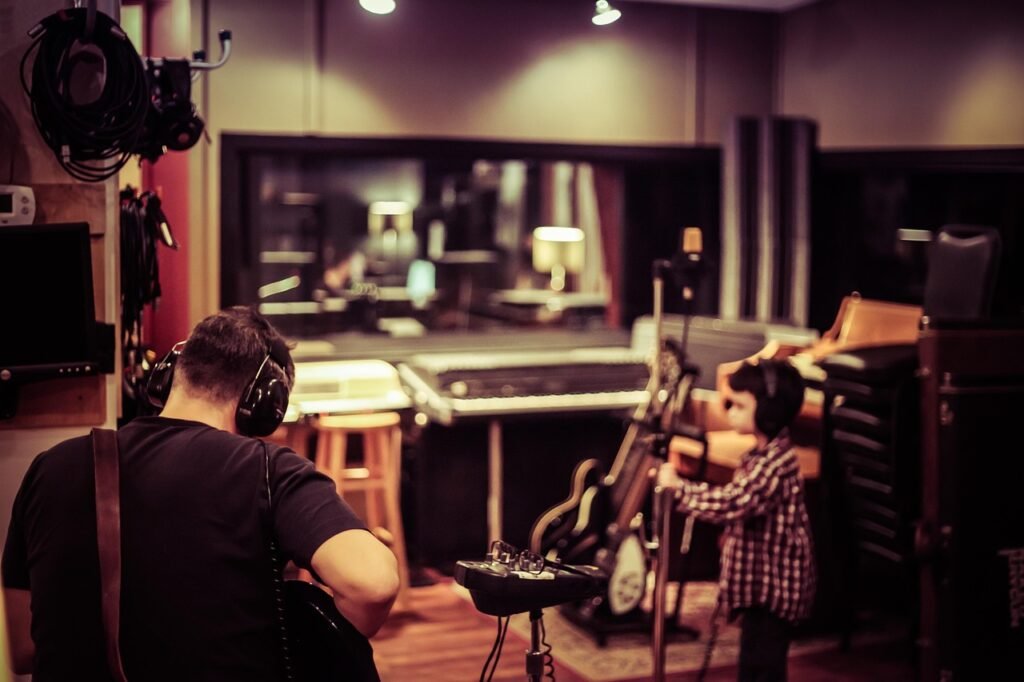
A professional recording studio isn’t just about expensive gear. It’s about accuracy, consistency, and control. Think of it like a well-tuned race car—it’s not flashy for the sake of it, but every part works together perfectly. Clean acoustics, reliable equipment, and a workflow that doesn’t get in your way—that’s the real magic.
Who Needs a Professional Studio
Musicians, podcasters, voice-over artists, producers, sound designers—if audio quality matters to you, a professional studio is worth building. Whether you’re recording vocals, mixing albums, or producing content, your studio becomes your creative headquarters.
Planning Your Recording Studio
Defining Your Goals and Budget
Before buying a single microphone, ask yourself: What am I building this studio for? Recording bands? Solo vocals? Podcasts? Your goals will guide every decision. Set a realistic budget and remember—great sound comes from smart choices, not just expensive ones.
Home Studio vs Commercial Studio
A home studio is cost-effective and flexible, while a commercial studio requires higher investment but offers scalability and client appeal. Both can be professional if designed correctly. It’s like cooking at home versus running a restaurant—same fundamentals, different scale.
Legal and Zoning Considerations
If clients are coming in, check zoning laws, insurance requirements, and noise regulations. A little paperwork now can save massive headaches later.
Choosing the Right Location
Room Size and Shape
Avoid square rooms—they create nasty standing waves. Rectangular rooms with higher ceilings are ideal. Bigger isn’t always better, but cramped spaces can limit acoustic control.
Noise Isolation Factors
Choose a room far from traffic, appliances, and neighbors. Silence is your blank canvas.
Basement, Garage, or Spare Room?
Basements offer isolation, garages offer space, spare rooms offer convenience. Pick your battles wisely.
Acoustic Design Fundamentals
Understanding Soundproofing vs Acoustic Treatment
Soundproofing stops sound from entering or leaving. Acoustic treatment improves sound inside the room. Mixing them up is like wearing earmuffs to fix bad echoes—it won’t work.
Room Acoustics Basics
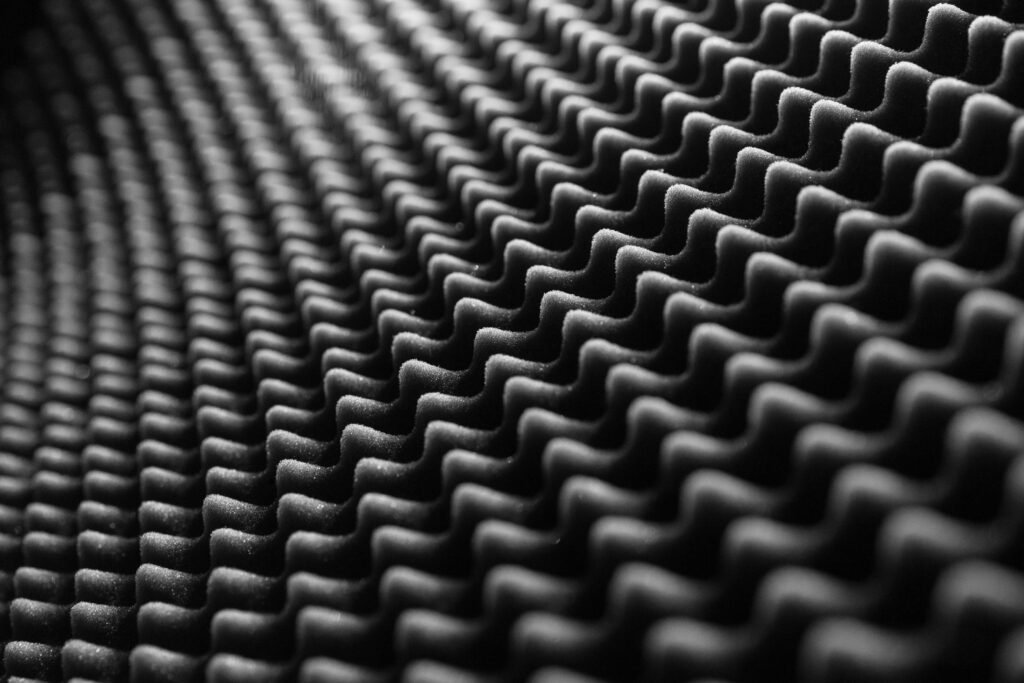
Sound bounces. Your job is to control those reflections so what you hear is accurate, not exaggerated.
Common Acoustic Mistakes to Avoid
Foam everywhere ≠ good acoustics. Balance absorption and diffusion for natural sound.
Soundproofing Your Recording Studio
Walls, Floors, and Ceilings
Use mass and separation—double drywall, insulation, floating floors if possible. Think “sound hates heavy things.”
Doors and Windows
Solid-core doors and double-pane windows are lifesavers.
Reducing External Noise
Seal gaps. Even a tiny crack can ruin your isolation.
Acoustic Treatment Essentials
Bass Traps
Low frequencies are sneaky. Bass traps in corners keep your mixes tight.
Absorption Panels
These reduce reflections and echo. Place them at first reflection points.
Diffusers
They scatter sound, keeping the room lively without chaos.
Proper Placement Techniques
Placement matters more than quantity. Strategic beats excessive.
Studio Layout and Ergonomics
Control Room Setup
Speakers should form an equilateral triangle with your head. Simple geometry, huge difference.
Recording Room Setup
Leave space for performers to breathe—creativity hates cramped rooms.
Workflow Optimization
Everything should be within reach. Less movement = more focus.
Essential Recording Studio Equipment
Audio Interface
Your studio’s heartbeat. Prioritize clean preamps and low latency.
Microphones
One great condenser and one dynamic mic can cover 90% of needs.
Studio Monitors
Accuracy over hype. If it sounds good here, it sounds good everywhere.
Headphones and Accessories
Closed-back for recording, open-back for mixing.
Digital Audio Workstation (DAW) Selection
Popular DAWs Explained
Pro Tools, Logic Pro, Ableton Live, FL Studio—each has its flavor.
Matching DAWs to Your Workflow
Choose the DAW that feels natural. Speed beats tradition.
Plugins and Virtual Instruments
Stock plugins are powerful. Master them before buying more.
Wiring and Power Management
Cable Management
Messy cables = noisy signals and lost sanity.
Power Conditioning
Protect your gear and reduce hum.
Avoiding Electrical Noise
Separate audio and power cables like feuding siblings.
Lighting and Studio Ambience
Functional vs Creative Lighting
Soft, adjustable lighting keeps eyes relaxed and vibes high.
Creating a Comfortable Vibe
Plants, art, and color matter. Creativity feeds on comfort.
Testing and Calibrating Your Studio
Speaker Placement and Calibration
Small adjustments = massive clarity.
Acoustic Measurement Tools
Room correction software helps—but ears come first.
Fine-Tuning the Space
Test with reference tracks you know inside out.
Maintaining a Professional Studio
Equipment Maintenance
Dust is the enemy. Clean regularly.
Software Updates and Backups
Backups aren’t optional. They’re survival tools.
Keeping the Studio Client-Ready
A tidy studio builds trust instantly.
Cost Breakdown and Budget Tips
Where to Spend More
Acoustics, monitors, and interface.
Where to Save Money
Furniture, decor, and fancy extras.
Scaling Over Time
Build in phases. Rome wasn’t mixed in a day.
Common Mistakes Beginners Make
Gear Overload
More gear ≠ better sound.
Ignoring Acoustics
Acoustics beat gear every time.
Poor Planning
Measure twice, buy once.
Future-Proofing Your Recording Studio
Expandability
Leave room to grow—literally and technically.
Keeping Up with Technology
Learn constantly. Tools change, ears don’t.
Conclusion
Building a professional recording studio is a journey, not a one-time purchase. It’s a balance of science and creativity, planning and passion. When done right, your studio becomes more than a room—it becomes a trusted partner in your creative process. Start smart, grow intentionally, and let great sound lead the way.
FAQs
1. How much does it cost to build a professional recording studio?
Costs range from $3,000 for a basic setup to $50,000+ for high-end studios.
2. Can a home studio really be professional?
Absolutely. Acoustics and workflow matter more than location.
3. What’s the most important investment?
Room treatment. Gear can’t fix bad acoustics.
4. Do I need soundproofing for mixing only?
Not necessarily, but isolation improves focus and accuracy.
5. How long does it take to build a studio?
Anywhere from a few weeks to several months, depending on complexity.